The Impact of 'Face Card' Comparisons on Teen Self-Esteem
November 30, 2024 - 00:06
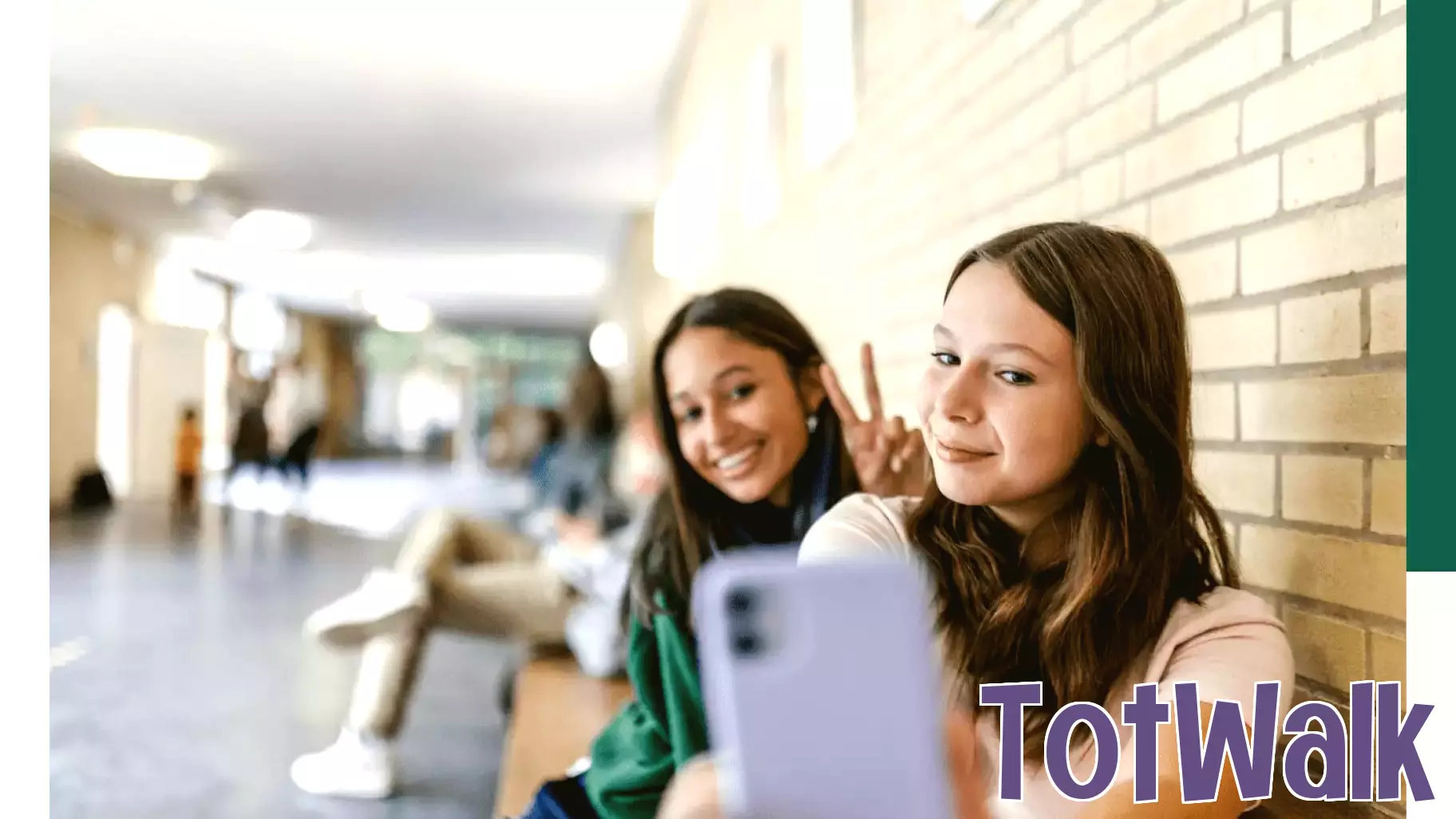
The latest teen slang trend has introduced the concept of 'face cards'—a term used to describe physical appearance and its perceived power in social interactions. While many teens may view this as a fun way to engage with their peers, experts warn that such comparisons can have detrimental effects on self-esteem.
When young individuals measure their worth based on looks, it can lead to feelings of inadequacy and anxiety. The pressure to maintain a certain image can be overwhelming, especially in a world dominated by social media where curated images often set unrealistic beauty standards.
Parents and guardians should be vigilant for signs of distress in their teens, such as withdrawal from social situations, changes in eating habits, or excessive focus on appearance. Encouraging open conversations about self-worth that extend beyond physical looks is crucial. Fostering an environment where teens feel valued for their unique qualities can help mitigate the negative impact of these comparisons and promote healthier self-esteem.
MORE NEWS

November 9, 2026 - 12:30
Varun Dhawan Reflects on the Joy of FatherhoodVarun Dhawan`s recent comments about fatherhood highlight the profound joy that comes from watching children experience the world. He expressed how observing his daughter engage in play and...

November 8, 2026 - 23:00
John Mulaney Reveals Unique Method for Teaching His Son to Ride a BikeJohn Mulaney recently opened up about his inventive approach to teaching his son how to ride a bike. Rather than sticking to traditional methods, Mulaney has found a fun and engaging way to make...

November 8, 2026 - 11:32
Maggie Dent Returns to WA with a Vital Message for DadsThe prolific parenting educator is heading back to WA with an important message to dads: kids don`t need perfection, they need presence. Maggie Dent, known for her insightful approach to parenting,...

November 7, 2026 - 18:36
Concerns About AI's Impact on Young ChildrenAn expert has raised alarms over the increasing use of artificial intelligence in early childhood development, suggesting that genuine human interaction could soon be seen as a luxury. As...